
Borderline Personality Disorder
Deep understanding, humanized approach, and paths to recovery
Borderline Personality Disorder (BPD) is a psychological condition characterized by three central elements that deeply impact the lives of affected individuals.
Intense Emotional Instability
Rapid mood changes that can last hours or days
Relational Difficulties
Intense fear of abandonment and unstable relationships
Identity Fragmentation
Unstable self-image and chronic feeling of emptiness
How BPD Manifests in Clinical Practice
In clinical practice, it is common to observe that this suffering does not appear only in acute crises, but also in daily life. Signs can be subtle or intense, depending on the context and the person’s emotional state.
Frequent emotional instability
Emotional fluctuations that can occur several times a day
Intense fear of abandonment
Disproportionate reactions to separations or possible rejections
Intense interpersonal relationships
Relationships that alternate between idealization and devaluation
Persistent feeling of emptiness
Internal disconnection and lack of purpose even in positive moments
Important: These signs do not define who a person is, but indicate how much they need listening, care, and appropriate therapeutic intervention. BPD is a treatable condition, and many people with this diagnosis live full and meaningful lives with appropriate support.
💡 Ethical Commitment
This content was developed from clinical practice and current scientific literature to provide quality, accessible, and humanized information.
This is not a text to label or stigmatize, but to clarify, welcome, and guide people living with BPD, their families, and professionals interested in better understanding this condition.
“I feel everything at maximum volume — and that also means my potential for healing and love is immense.”
Access to Specialized Psychotherapy
With quality information, responsible clinical approach, and accessible language, it is possible to:
Reduce Stigma
Demystify BPD and promote understanding
Strengthen Self-Care
Develop personal wellness strategies
Facilitate Access
Connect people to specialized treatment
Care available in formats such as online therapy and social pricing ($50 USD), when clinically indicated.
Everyone deserves access to quality psychological care, regardless of their financial situation.
Understanding Borderline Personality Disorder
A welcoming guide, based on science and clinical practice, to demystify BPD with respect, clarity, and hope.
What is Borderline Personality Disorder
Understand the essence of this complex and deeply human condition.
Central Symptoms of BPD
Emotional instability, fear of abandonment, chronic emptiness, and more.
Prognosis and Real Hope
Yes, it is possible to live well: recovery, remission, and quality of life.
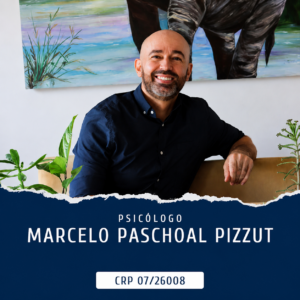
Marcelo Paschoal Pizzut: Psychologist Specialist in BPD and DBT
Marcelo Paschoal Pizzut is a psychologist specialist in Borderline Personality Disorder (BPD), focusing on Dialectical Behavior Therapy (DBT), an approach based on scientific evidence and widely recognized for treating emotional dysregulation.
With online psychological care, Marcelo provides a safe, ethical, and confidential space, offering professional support accessible and adapted to each patient’s needs.
Beyond clinical practice, he is dedicated to disseminating quality information about mental health, contributing to reducing stigma and expanding access to psychological care.

Specialties:
- Dialectical Behavior Therapy (DBT)
- Borderline Personality Disorder (BPD)
- Emotional Dysregulation and Impulsivity
- Online Care for All of Brazil
The Role of Emotional Dysregulation
Emotional dysregulation is one of the central pillars of BPD. People with this condition can rapidly shift from states of euphoria to deep sadness, intense anger, or overwhelming anxiety, often in response to stimuli that others would consider moderate.
This emotional intensity can be extremely painful and debilitating, significantly interfering with the individual’s social, occupational, and personal functioning.
American psychologist Marsha Linehan developed Dialectical Behavior Therapy in the 1980s, specifically for treating women with suicidal behaviors and later adapted for treating Borderline Personality Disorder.
Today, DBT is considered the first-line treatment for BPD, with robust scientific evidence demonstrating its effectiveness in reducing suicidal behaviors, self-harm, psychiatric hospitalizations, and improving overall quality of life.
The Integration of Principles in DBT
DBT integrates principles of cognitive-behavioral therapy with concepts of acceptance and mindfulness derived from Eastern contemplative practices. The term dialectic refers to the synthesis of opposites, especially the need for simultaneous acceptance and change.
Main Components:
- • Individual weekly therapy
- • Group skills training
- • Phone coaching between sessions
- • Team consultation for therapists
Skills Modules:
- • Mindfulness
- • Distress Tolerance
- • Emotion Regulation
- • Interpersonal Effectiveness
Each module is designed to provide practical, everyday applicable tools, enabling people to develop concrete skills for managing emotional challenges.
Clinical Practice and Online Care
Marcelo Paschoal Pizzut dedicates his clinical practice to specialized care for people living with Borderline Personality Disorder, using Dialectical Behavior Therapy as the basis of his interventions.
Online care allows patients from different regions to access specialized treatment, eliminating geographic barriers and providing greater schedule flexibility. Sessions are conducted on secure platforms, ensuring the confidentiality and professional ethics required by the Federal Psychology Council.
Treatment Focus: The development of a life worth living, through the construction of practical skills to deal with intense emotional suffering. The work is collaborative, with clear goals and continuous progress monitoring.
The approach is empathetic, validating, and oriented toward changing dysfunctional behaviors, recognizing both the present suffering and the potential for transformation in each person.
The Effectiveness of Dialectical Behavior Therapy (DBT)
DBT is not just a conversation; it is a structured training for life. It is based on the balance between acceptance and change.
“DBT is the gold standard for BPD treatment, integrating acceptance and change strategies to promote emotional stability.”
Proven Results:
- ✓ Reduction in suicidal behaviors
- ✓ Decrease in self-harm
- ✓ Reduction in hospitalizations
- ✓ Significant improvement in quality of life
Personal Benefits:
- → Greater emotional stability
- → Healthier relationships
- → Better social and professional functioning
- → Development of more coherent identity
Services and Care Modalities
Individual Online Psychotherapy
Personalized sessions focused on emotional regulation and DBT skills for adults and young people.
Rates upon consultation
Social Pricing Care
Initiative to democratize access to specialized mental health care for those in need.
$50 USD / session
Family Guidance
Support and psychoeducation for family members of people with Borderline Personality Disorder.
Upon consultation
📱 Free Mutual Support WhatsApp Group
Join a safe environment for sharing experiences and learning practical emotional regulation skills.
🧘 Mindfulness
Full attention and presence practices
💬 Interpersonal Effectiveness
Assertive communication and relationships
🛡️ Distress Tolerance
Strategies for managing crises
Explore More About Mental Health
Blog e Artigos
Leia textos informativos sobre BPD, DBT e bem-estar emocional.
About the Professional
Learn about Marcelo Paschoal Pizzut’s background and training.
Frequently Asked Questions
Get your questions answered about the service and the disorder.
Ready to Start Your Journey?
Schedule a specialized consultation with Marcelo Paschoal Pizzut and begin transforming your relationship with emotions.
